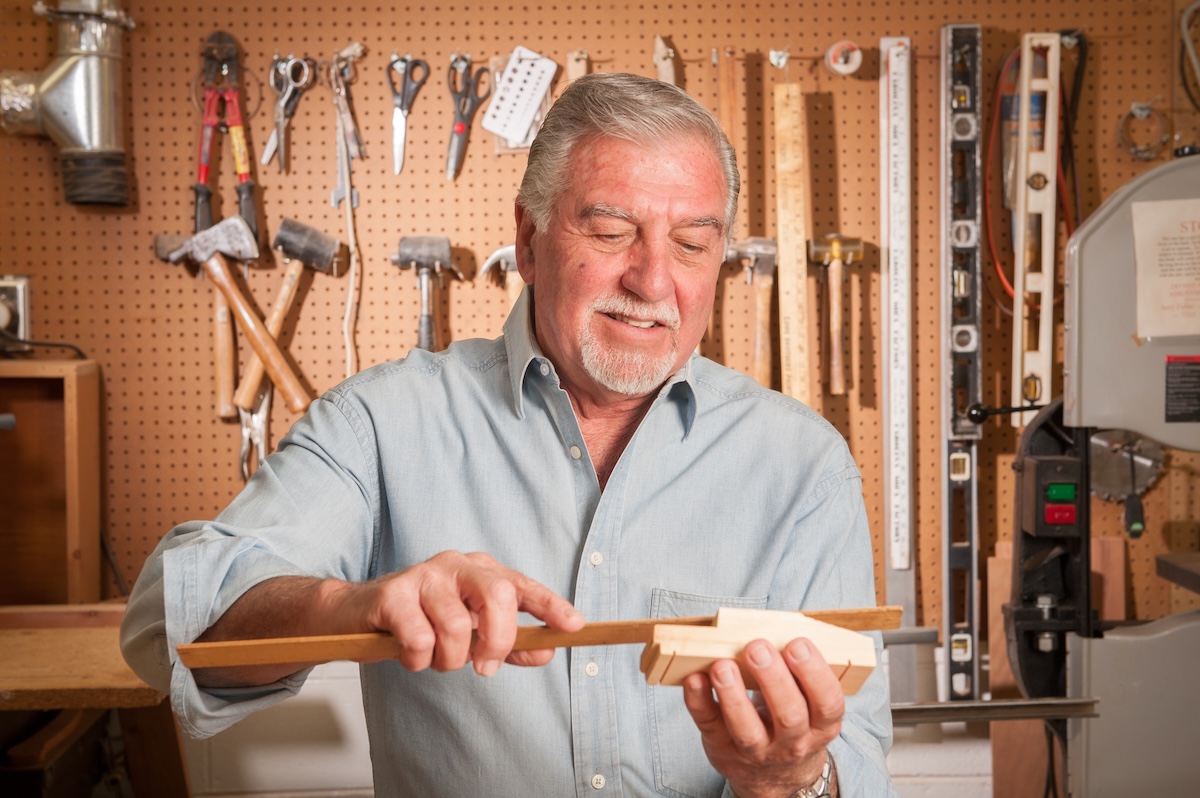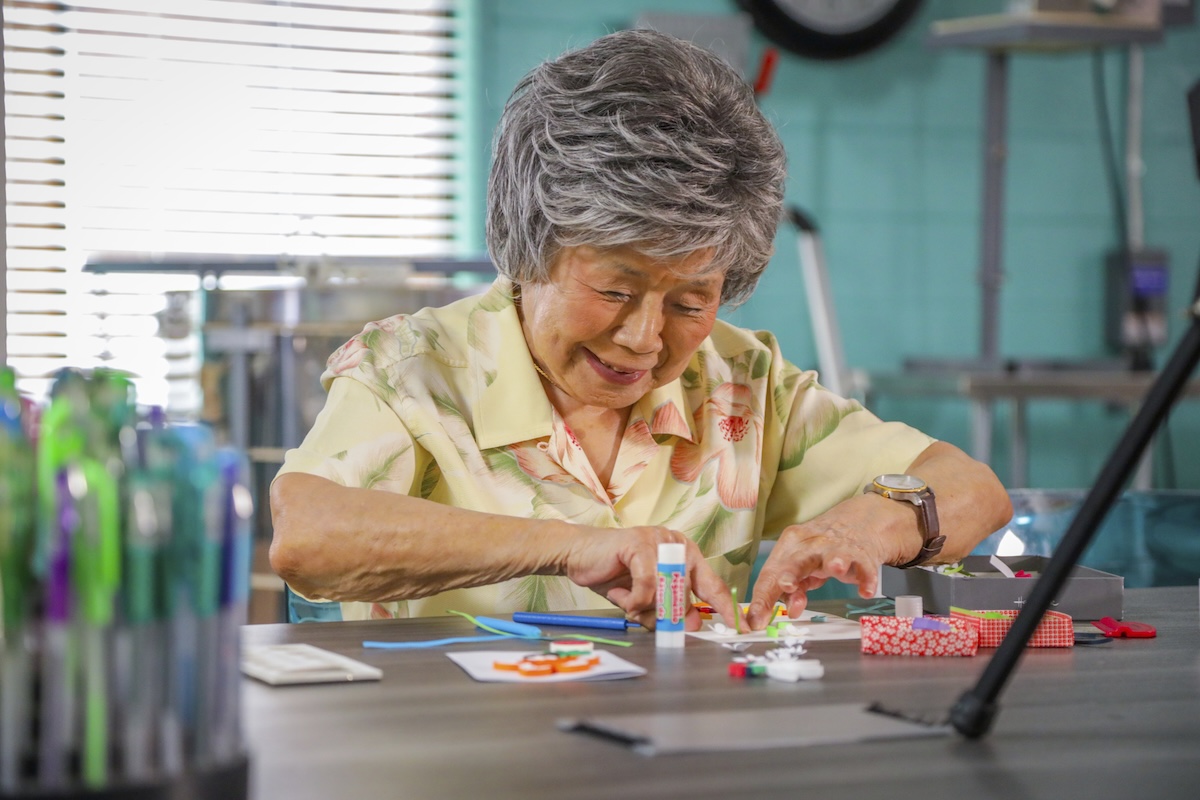
Remember when you first picked up a pack of crayons or some modeling clay? Your imagination and creativity seemed to know no bounds. But after decades of focusing on career, home and family, you might have lost touch with your creative side. The good news is this season of life is the ideal time to reignite that spark without the pressure of deadlines or demands. Here are some stimulating activities to start you on the path to creative discovery.
Color Your World Through Painting
Painting is about more than creating something beautiful to look at. It also challenges your brain through constant decision-making and problem-solving, which can help ward off cognitive decline. Plus, every time you pick up a brush or palette knife, you’re also polishing your fine motor skills.
Start your journey by visiting a local art supply store and ask them to recommend some beginner-friendly watercolors or oils, canvases, paper and brushes. Be sure to ask about senior discounts while you’re there. As you’re setting up your home studio, make sure you select a comfortable, well-lit room—perhaps one with a window for a bit of inspiration from nature.
When you’re ready to dip your brush, begin with simple projects to build your confidence. Experimenting with colors and basic shapes can also be a stress-free way to start. If you prefer a more formal setting, many community centers and colleges offer art classes where older adults can learn, create and connect. Above all, relax and have fun. As Bob Ross always said: “We don’t make mistakes, we just have happy accidents.”
Put Your Story in Writing
A simple memory, a favorite place or a life lesson takes on a whole new dimension through the written word. What better reason to put pen to paper (or fingers to keyboard)? Writing also sharpens cognitive skills and improves your focus as you go through the process of organizing your thoughts and editing your drafts.
Journaling is a great way to begin. Use simple techniques like free writing, making lists or reflecting on your day to get your creative juices flowing—and don’t feel pressured to write a certain number of words every day. Having trouble finding ideas? Try some writing prompts like “What was your happiest moment from childhood?” or “Who was your biggest influence in life?” Or maybe try dictation software like Dragon to capture ideas or work through writer’s block.
You may also want to ask your local librarian or bookstore owner about writing groups, which provide accountability, constructive feedback and community as you develop your craft. And if you’re feeling a bit stuck, remember these words from Ray Bradbury: “You fail only if you stop writing.”
Get Hands-On with Clay
Pottery is an ancient art form that combines creativity, tactile skills and mental relaxation. What’s more, you don’t need prior experience or access to a kiln to get started. Just grab some air-dry clay and try one of these basic techniques. Bonus: finished pieces make amazing gifts or keepsakes.
- Pinch potting involves simply pinching a ball of clay with your fingers to form a bowl or cup. It’s a perfect technique for beginners.
- Coil building is another easy technique that involves rolling the clay into long, snake-like coils and stacking them to create a vessel. Use it to make larger pieces like vases or decorative bowls.
- Slab building works by rolling the clay into flat sheets, which can then be cut and assembled to form shapes and structures. This technique is perfect for creating square planters or rectangular trays.
When you’re up for a bigger challenge, try shaping your creations on a potter’s wheel (also known as wheel throwing). While it requires some practice to master, wheel throwing lets you create beautifully symmetrical bowls, cups and vases. Many pottery studios even offer wheel-throwing classes for beginners.
Discover the Freedom of Digital Art
Unlike traditional art forms that use physical media like paint, canvas or clay, digital art utilizes software, tablets and computers to produce images, animations and even interactive experiences. Diving into digital art lets you study artistic techniques—such as composition, color theory and perspective—while also embracing modern technology. This combination promotes neuroplasticity, which is the brain’s ability to form new neural connections.
The prospect of starting with digital art might seem daunting at first, but the online world is packed with user-friendly tools like Procreate, ArtRage, Adobe Fresco and SketchBook. Platforms like Udemy and Coursera offer comprehensive courses on digital art fundamentals, allowing you to learn from the comfort of your own home.There are also plenty of online groups, forums and social media platforms dedicated to offering support, feedback and camaraderie among digital artists of all ages and skill levels.
Springmoor residents know that creativity thrives best when it’s shared, and our Meraki Arts Studio is an ideal hub for exploring everything from painting and fused glass to jewelry making and abstract art. There are even kilns for ceramic and glass projects. Our clubs and activities also offer abundant opportunities that allow you to fully engage with your passion project or simply try something new.
Schedule your tour today by calling 919-651-4844.